Thirty-four kilometers. That’s the width of the Strait of Hormuz, which is significantly wider than the Philips Channel of the Malacca Strait at 2.8 kilometers. These two choke points help energize a good part of Asia, including Southeast Asia with eleven economies and around 700 million people that highly depend on energy from the Middle East. Yet the United States and Israel’s latest war against Iran has jeopardized the former’s position as lifeline to Southeast Asia.
Southeast Asia Oil Import Dependency
Southeast Asia requires about 5 million barrels of oil per day (bpd). With a daily oil production of around 2 million bpd (key producing countries include Brunei at 103,000 bpd, Vietnam at 197,000 bpd, Thailand at 418,000 bpd, Malaysia at 570,000 bpd, and Indonesia at 840,000 bpd), Southeast Asia must import most of the remaining 3 million barrels to meet energy demands in the region. Furthermore, Vietnam sources 49 percent, Indonesia 37 percent, Thailand 28 percent, and Singapore 17 percent of their respective liquid natural gas (LNG) or liquid petroleum gas (LPG) from Gulf countries. With the ongoing war in the Middle East, this balance of domestic production and imports fundamentally changes as security of supply must be redefined. This will test Southeast Asia’s capacity to decide, act, shape respective national policies, control resources, and exercise sovereignty without interference. In short, it will be a test of the region’s agency in a multipolar world.
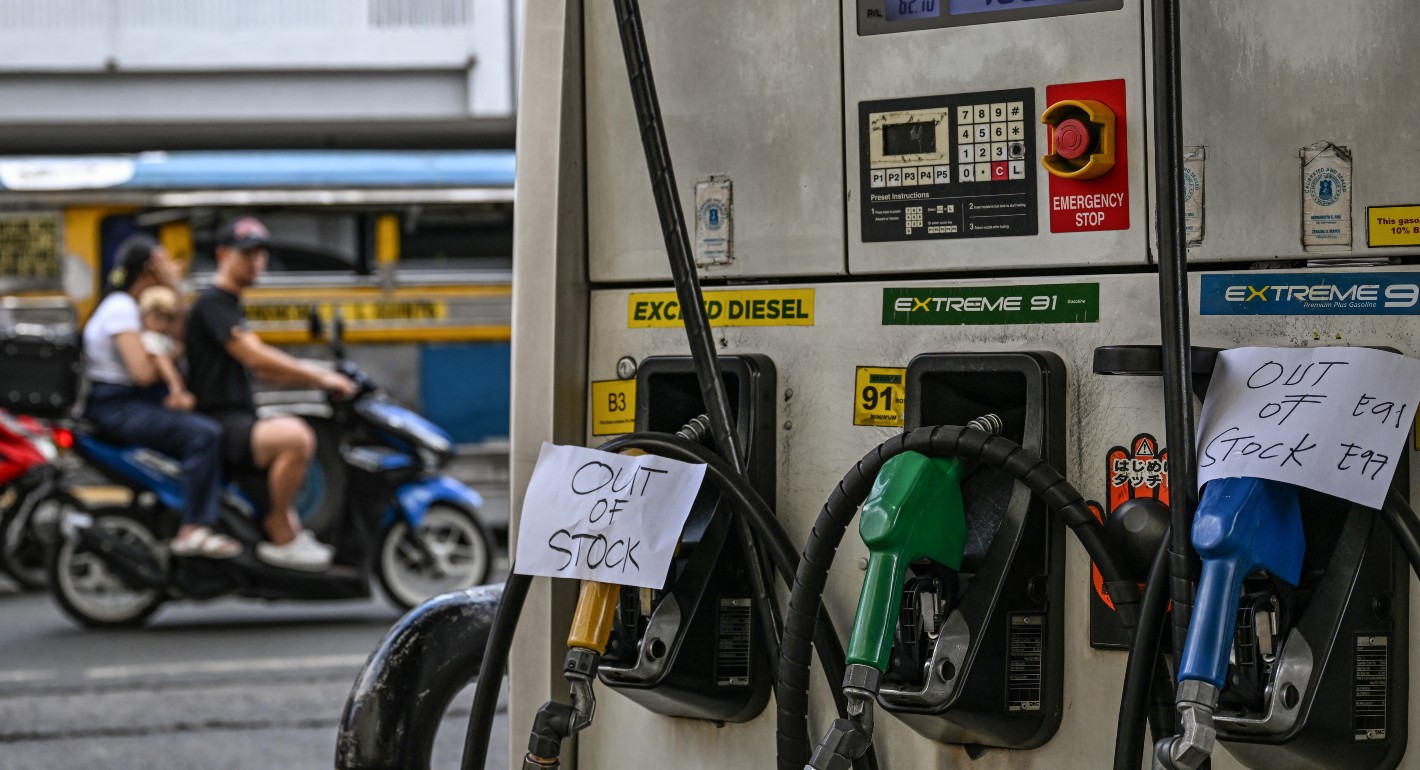
In the long term, this event could catalyze a reshaping of the region’s supply architecture; in the meantime, countries in the region have differing levels of available oil and gas reserves, with most countries having between twenty and sixty-five days of strategic oil reserves (Cambodia, Indonesia, Laos, Malaysia, and Timor Leste are in the lower end of the range, while Brunei, Myanmar, the Philippines, Singapore, Thailand, and Vietnam are in the upper end of the range). Singapore’s strategic oil reserve (maintained in underground caverns in Jurong island and other commercial storage facilities) is theoretically capable of supporting domestic demand for more than 200 days. Yet this would have marginal impact for the region. Southeast Asia is ostensibly vulnerable, for an indefinite period, while the Strait of Hormuz remains closed. Given that there is no sign of de-escalation, much less an offramp, Southeast Asia must optimize its strategic reserves while proactively expanding the sources of its supply architecture. This is especially important if the region were to aspire to maintain the historical baseline of around 5 percent annual economic growth rate trajectory.
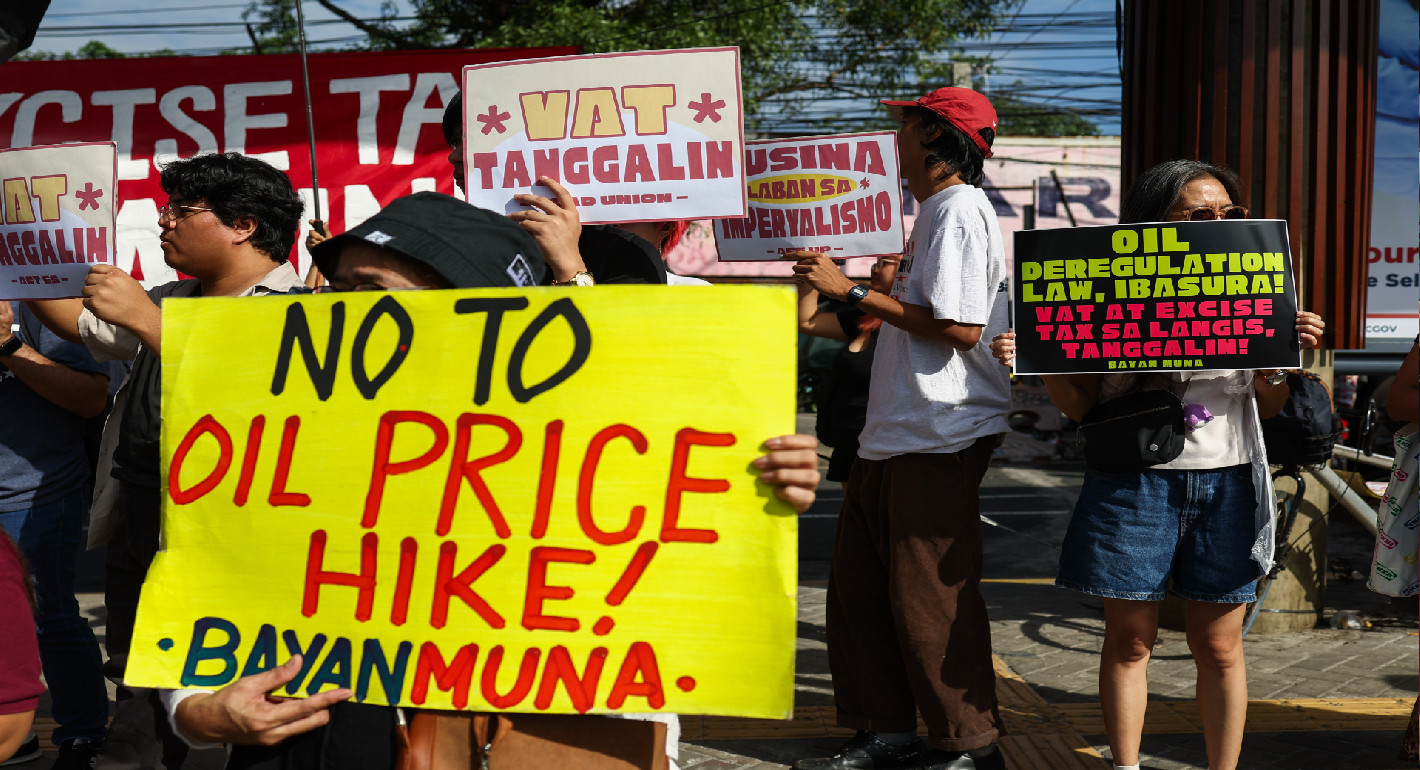
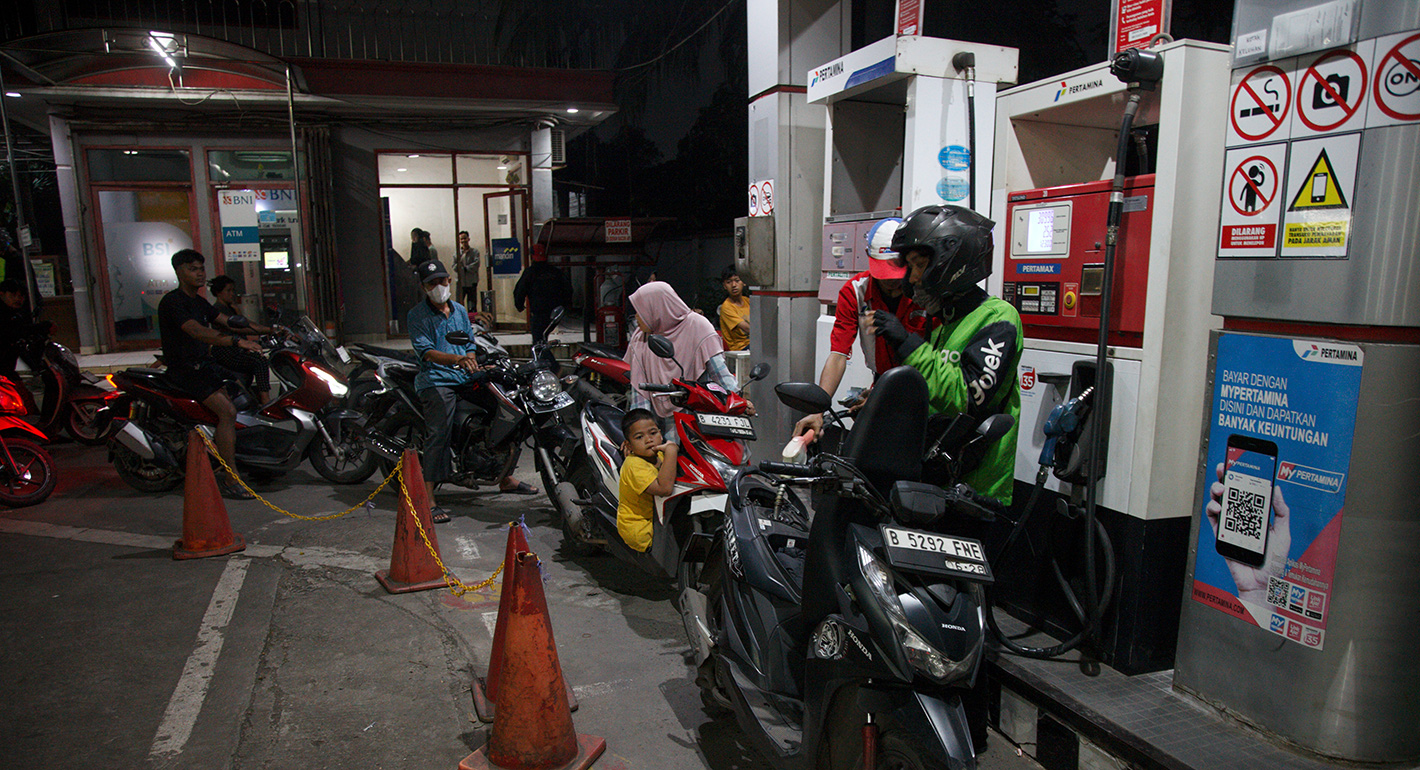
Countries that are particularly vulnerable in Southeast Asia that have a high degree of dependence on oil imports are the Philippines (52 percent), Thailand (69 percent), Singapore (77 percent), and Vietnam (85 percent), whereas Malaysia relies on importing 25 percent of its oil to cover consumption, thus is less exposed. These countries, like others in the region, do not have robust fiscal spaces (with tax-to-GDP ratios between 10 percent to 16 percent); Indonesia and the Philippines lack robust monetary spaces (Indonesia and the Philippines have money-supply-to-GDP ratios of less than 100 percent while Singapore, Thailand, and Vietnam have ratios higher than 100 percent). The supply shock has and is likely to continue manifesting in oil price rise, which will inevitably translate into energy price inflation particularly for economies that rely on energy imports. Other than oil and gas, fertilizer-related products are also significantly imported from the Middle East by large agricultural countries including Indonesia, the Philippines, Thailand, and Vietnam; these prices are already rising.
Indonesia’s Fiscal Constraint
Governments in the region have already taken austerity measures, including reducing certain spending and services—not yet raising taxes—to help restore fiscal stability. Governments are anticipating reduced economic growth and increased unemployment in various sectors. Indonesia, being the largest economy in the region at $1.5 trillion GDP (around 38 percent of Southeast Asia’s total GDP), has allocated 381 trillion rupiah ($22.4 billion) for fuel-related subsidies in its 2026 budget (which totals 3,842 trillion rupiah, or $230 billion) based on oil price of $70 per barrel.
But the difference in the government’s price estimates and future oil contract prices will shrink country’s fiscal space. Given the current oil price trends, the public will likely experience serious economic strain due to fuel price hikes. It is also not inconceivable for the Indonesian government to rethink other measures, including the free nutritious meal program and the Red and White rural cooperatives (Koperasi Merah Putih) program budgeted at $20 billion and $7 billion, respectively, costs that the fiscal space will not likely be able to shoulder. Without rethinking these expected measures, and in the face of oil price rises, the government’s budget deficit is likely to exceed the legally permissible threshold of 3 percent of GDP. Extraordinary legislative measures to allow such high deficits were enacted during the COVID-19 pandemic, but that had been framed as a rarity. With another crisis following so soon after, the government’s food security and energy security narrative has fundamentally been dented.
Conclusion
Such a change in narrative is happening all over Southeast Asia, and arguably most parts of the world. A country’s fiscal space and monetary space are inextricably linked by way of the current geopolitical circumstances. Energy price inflation is likely to shift central banks from a previous easing posture to a more defensive one in an attempt to manage inflationary pressure and stabilize currencies. The degree of inflationary pressure or sensitivity for each economy in the region is highly correlated with the degree to which it imports oil. The Philippines comes to mind due to its dependence on foreign oil. Nonetheless, no country will be spared. Energy is embedded in the production of just about all goods and services.
Fundamental changes are needed for Southeast Asia to weather this crisis. Given that global demand for oil is around 103 million barrels per day, it will be difficult for any country to reorganize its supply architecture in response to the supply shock from the closure of the Strait of Hormuz (estimated at halting 20 percent of global oil supply)—not to mention maintaining price stability. Repricing of risk is inevitable unless an alternative oil source can quickly take the place of Gulf production, which is quite unlikely. An alternative source would also involve reconfiguring its pre-existing supply chain or logistical capabilities, which would take time and financial resources, things that most parts of Southeast Asia are not blessed with. This crisis is a black swan; arguably not to the degree of surprise as previous episodic stresses that the region has experienced including the COVID-19 pandemic, the 2008 financial crisis, or the Asian financial crisis in 1998. Yet the impact eerily feels more profound amid Asia’s shifting geopolitics. This latest crisis should be the impetus for the region to assert its individual and collective agencies.